
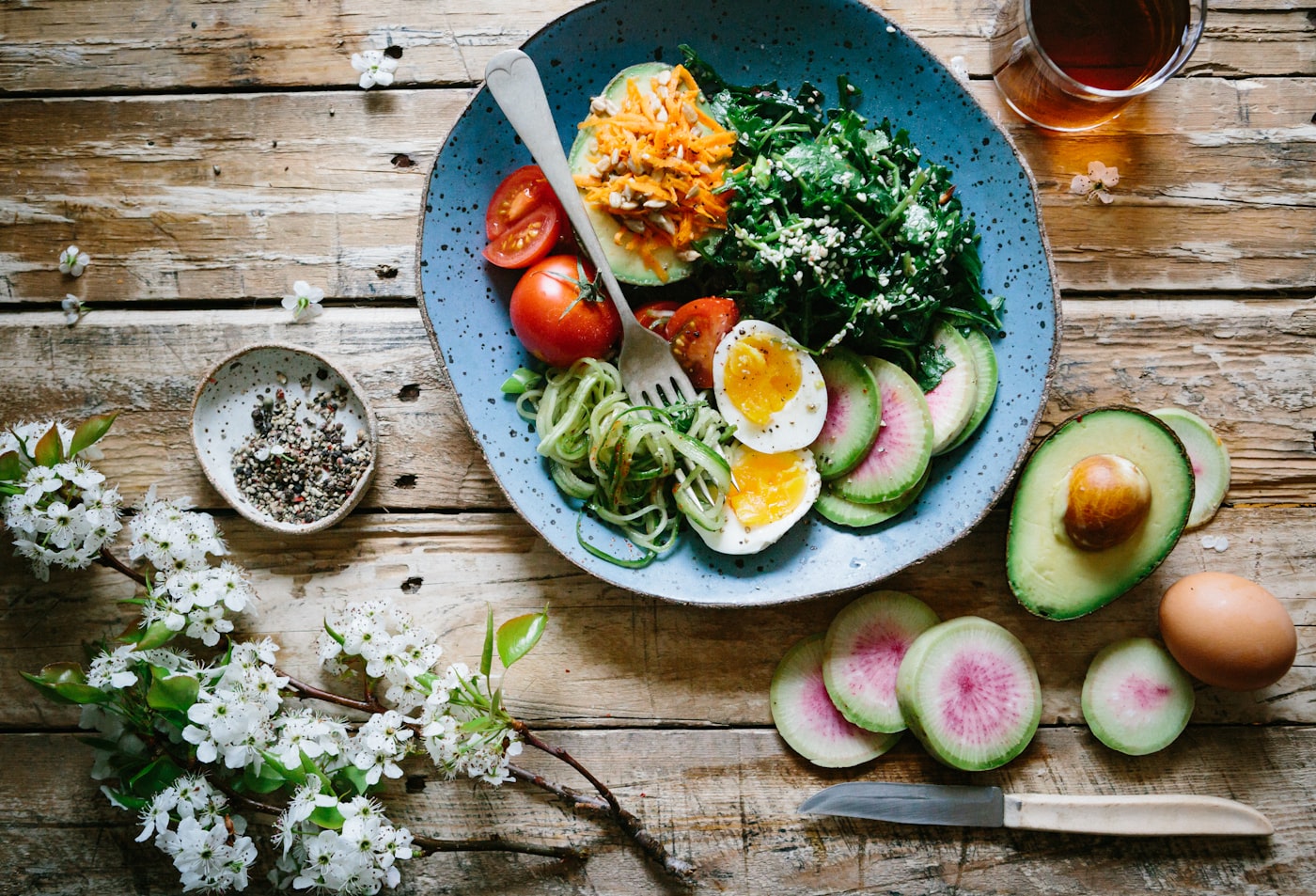
A healthier liver means a healthier you. You can lower your chance of liver disease by eating a balanced diet and making healthy choices throughout your day. Talk to your doctor to create a diet plan that is right for you.
Diet and Lifestyle
Eat more fiber
Fiber helps your liver work at an optimal level. Add fruits, vegetables, whole grain breads, rice and cereals to get to your daily fiber goal.
Avoid alcohol
The liver breaks down alcohol so that it can be removed from the body. This strains the organ and makes it harder to remove scar tissue.
Drink lots of fluids, especially water
Water helps your liver remove toxins from the body. Drinking water after waking, before every meal, and before going to sleep helps this process.
Limit foods high in fat, sugar and salt
The digestion of salty, saturated foods force the liver to work harder and lower its ability to store glucose, which can lead to fatty liver disease.
Exercise regularly every day
Exercise has many positive impacts on the liver and your overall health. Just 30 minutes a day can help reduce liver fat and improve blood flow.
Avoid smoking
Smoking can inflame the liver and worsens the effects of other liver-damaging factors like alcohol and fatty foods.
Medication
Follow a consistent schedule
Make sure to take your medication at the same time everyday or as directed for best results. It may help to have a pill organizer or a medication tracking card.
Follow dosage recommendations
Never exceed the maximum recommended dosage of a medication.
Know your medications
Keep a list of every medication you use, including the amount you take and time of day you take it. Be sure to keep this list up-to-date and bring it with you whenever you see your doctor or pharmacist.
Be careful of your acetaminophen intake
Know if your medicines contain acetaminophen. Never take two medicines with acetaminophen at the same time. Taking too much acetaminophen can lead to liver damage.
Bile Duct Disease
- Exercise on a daily basis; jogging, swimming, and aerobics are helpful
- Keep meals light with easy-to-digest food such as soups and salads
- Eat plenty of fiber from foods like whole grain bread, fresh fruits, rice, and green vegetables
Cirrhosis
- Carefully monitor protein intake and exercise regularly to reduce muscle loss
- Eat 3 or 4 small healthy meals a day rather than 1 or 2 large meals
- Put feet up when sitting or lying down to relieve swelling in legs
Fatty Liver Disease
- Maintain a fiber-rich diet with fruits, vegetables, whole grains, and legumes
- Eat omega-3 fatty acids, which can be found in fish, vegetables oils, nuts, flaxseeds, and leafy vegetables
- Antioxidants from coffee, green tea, raw garlic, and Vitamin E can be helpful
Hemochromatosis
- Eat fruits and vegetables for vitamins and minerals, especially those that are rich in antioxidants such as tomatoes and blueberries
- Eat lean protein such as chicken and fish to keep iron intake low
- Drink tea and coffee for a source of tannins which can reduce iron absorption
Hepatitis B/C
- Do not share personal items such as toothbrushes and razorblades
- Eat plenty of fruits, vegetables, and whole grains
- Stick to lean protein such as chicken and fish
Wilson Disease / Wilson’s Disease / Hepatolenticular Degeneration
- Avoid food high in copper such as oysters, shiitake mushrooms, nuts, seeds, lobster, and some leafy greens like kale and spinach
- Ask your doctor for recommended medications, which may include penicillamine, trientine, and zinc acetate (do not take anything without consulting a physician first)
- Receive plenty of vitamin B6, which bolsters the immune system; it is found in foods such as tuna, salmon, bananas, and oranges (ask your doctor for recommended dosage)
What’s Next?
Know your symptoms. Damage to your liver accumulates over time across multiple stages, affecting your health in many ways. Learn about the early signs and symptoms of liver disease.