
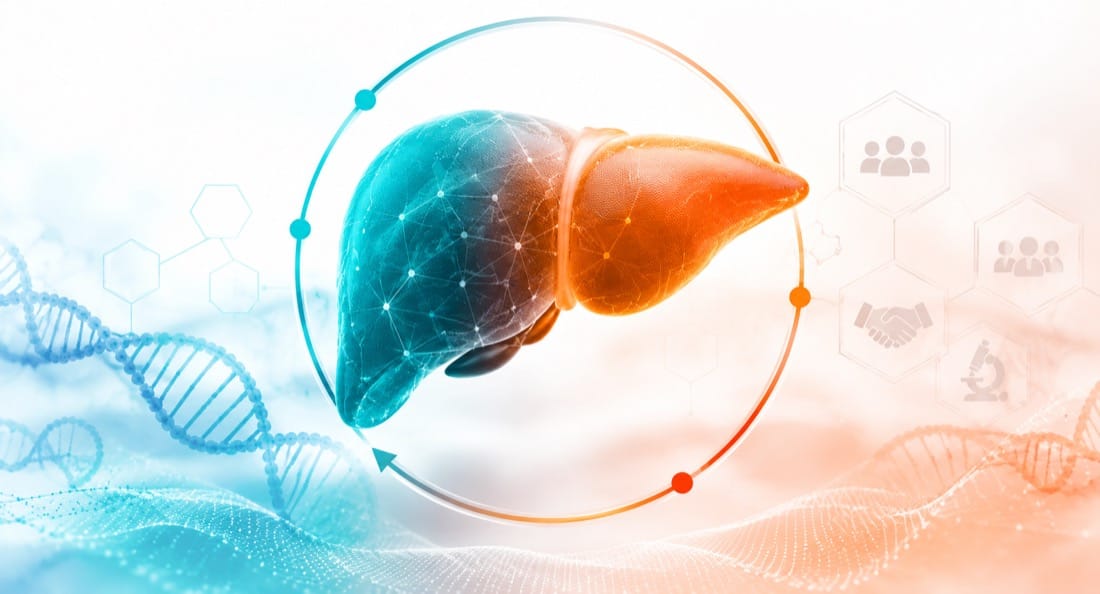
Some of the most common causes of liver disease include infection, inherited conditions, and excessive alcohol use. There are several different types of liver disease, but for the most part they progress the same way.
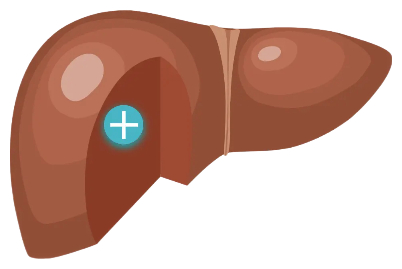
Healthy Liver
The liver is involved in over 500 bodily processes. It is located in the upper part of the stomach on the right side of the body. You shouldn’t notice a healthy liver if everything is working as it should, but a liver function test can tell you more about its overall condition.
Some functions that rely on the liver include:
- Bile production
- Blood detoxification
- Blood clotting
- Hormone regulation
- Blood sugar level regulation
- Cholesterol production
- Removing bacteria from the bloodstream
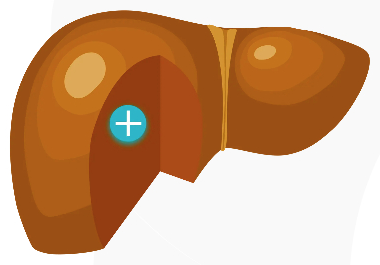
Inflammation
In many cases, the first sign of liver disease is inflammation. Inflammation is the body’s natural reaction to injury or infection. It’s how it signals the immune system to repel invaders and repair damaged tissue.
Liver inflammation does not usually result in any noticeable symptoms and often goes undiagnosed. Inflammation may be caused by viral infections (esp. Hepatitis A, B & C), autoimmune disorders, alcohol abuse, and more.
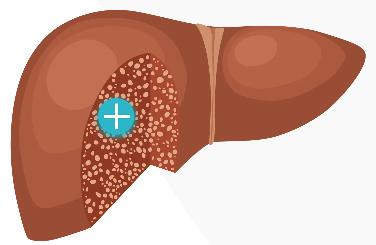
Fibrosis
If inflammation persists, liver scarring may occur. This is known as fibrosis. Fibrosis replaces damaged parts of the liver with scar tissue, but the scarring can impede blood flow to the liver and make it less functional.
Like inflammation, fibrosis does not usually produce noticeable symptoms and this stage often goes undiagnosed.
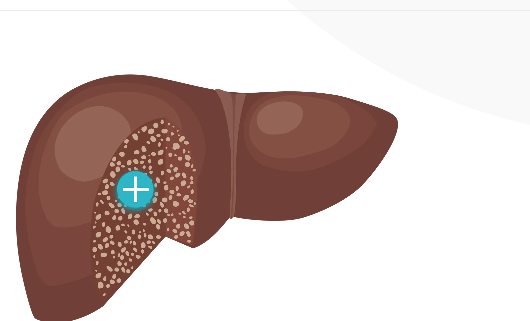
Cirrhosis
Cirrhosis is present when more scarring in the liver builds up, making it harder for the liver to function. It can take years for scarring to reach the point of cirrhosis, which can help patients with known risk factors prevent or delay its onset.
Cirrhosis is usually when liver disease is diagnosed as it is the first stage with noticeable symptoms including abdominal pain, loss of appetite, yellowing of the skin (jaundice), and fluid retention.
Individuals with cirrhosis are at the highest risk for liver cancer, so regular monitoring every 6 months is highly recommended. Managing symptoms can help delay or prevent the onset of liver cancer. In cases where cancer can’t be prevented, early diagnosis significantly improves treatment options.
- Loss of appetite
- Unexplained fatigue
- Nausea & vomiting
- Unexplained weight loss
- Easy bruising and bleeding
- Blood in stool
- Diminished sex drive
- Premature menopause
- Brown or orange color in urine
- Swelling in the legs, feet, and ankles
- Small widened blood vessels visible on the skin (telangiectasia)
- Yellowing of the skin and/or eyes (jaundice)
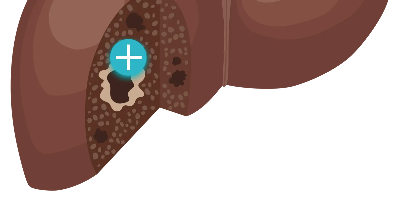
Liver Cancer
Liver cancer can occur at any stage of liver disease, but it is most common with cirrhosis. While serious, liver cancer is still a step away from complete liver failure and potentially curative treatment options may be available depending on how far the disease has progressed.
The warning signs of liver cancer are very similar to cirrhosis and you should speak with a medical professional as soon as possible if you experience any of the symptoms mentioned above.
- Unexplained weight loss
- Loss of appetite
- Nausea & vomiting
- Full feeling on right side under ribs caused by an enlarged liver
- Full feeling on left side under the ribs caused by an enlarged spleen
- Abdominal pain
- Yellowing of the skin and/or eyes (jaundice)
What’s Next?
Take care of your liver everyday. A healthy liver means a healthy you. Eating a balanced diet and making lifestyle choices during the day can help you lower your risk.